What Advitya Techno Park Sohna offers for industrial use
Advitya Techno Park Sohna is planned as an industrial township rather than a single standalone facility. Its location in Village Khatrika, Sohna, Gurugram places it on the Sohna–Ballabgarh Highway, a road that the project describes as a rapidly transforming corridor. The development is presented as a professionally planned ecosystem, with organized planning, strategic connectivity and future-ready infrastructure intended to support modern industries.
The project highlights its connectivity to the Delhi–Mumbai Expressway and the KMP Expressway, and its position close to IMT Sohna, Faridabad and Gurugram. For a business, these points matter because they shape how goods move in and out, where staff can travel from, and how the site fits into the wider industrial belt. Read these as the developer's own description. Ask for route times and travel distances from your own operations, and test them at the site.
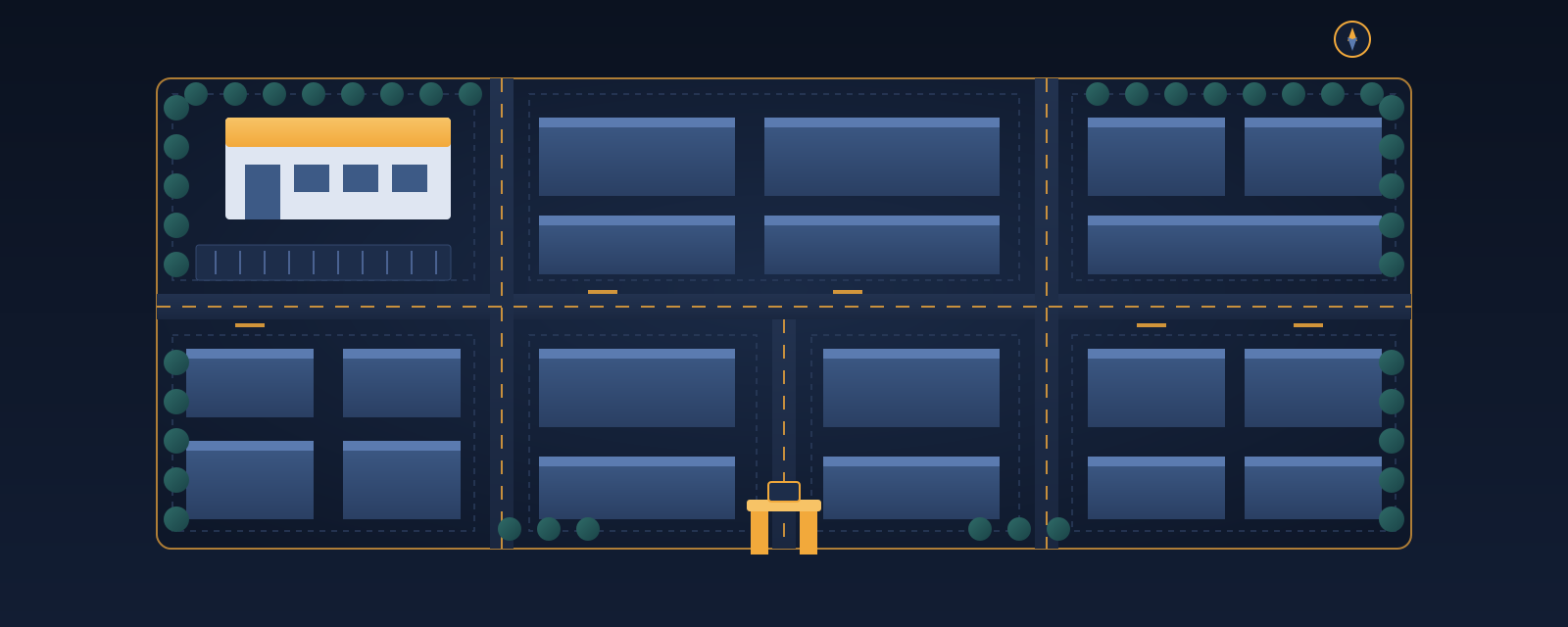
The township is also meant to be visited. The project offers a map that helps visitors navigate directly to the project location, which makes an on-site visit a practical first step before any agreement. A visit lets you see the road, the surroundings and the access points with your own eyes.
Entry path for manufacturers
Summary: if you are a manufacturer planning an expansion or a new plant, Advitya Techno Park Sohna is presented as a place where operations can be set up within an organized industrial layout, with attention to transport access and workforce accessibility.
Manufacturers should start by listing their own requirements in writing. These usually include the area needed for production, storage and office space, the power and utility needs of the process, the expected number of workers and the commuting routes they will use, and the road loads for raw materials and finished goods. Once these are clear, compare them against what the developer confirms about the plot or unit layout and the infrastructure plan. Where the project information is silent on a utility, load or permitted use, ask the developer to confirm it in writing before you rely on it.
It also helps to consider the future. Ask how the township expects neighbouring units to develop, what rules apply to building design and operating hours, and how common areas are maintained after handover. A manufacturing setup is a long-term decision, so these answers deserve as much attention as the location itself.
Entry path for logistics companies
Summary: if you run a logistics or warehousing business, the township's connectivity to major expressways and its position on the Sohna–Ballabgarh Highway are the points to examine first. The project describes seamless movement as a core reason for businesses to consider the site.
For logistics operators, the useful test is practical. Drive the route at the hours your trucks will use it, at peak times and off-peak times. Note the junctions, the turning radii for your fleet, the parking and staging space inside the site, and how easily vehicles can enter and leave. Ask the developer about internal road widths, the access points, and whether any planned road works could affect movement during construction or after completion. Confirm these details directly, because a general description of connectivity does not show how a particular vehicle will behave on a particular road.
Logistics teams should also look at their customer and supplier geography. A site that is close to major routes can reduce the distance to many destinations, but only if the roads and timing suit your schedule. Build a simple map of your key pickups and deliveries, and compare it with the access routes offered by the township.
Entry path for land buyers and investors
Summary: if you are buying land or space as an investor, the township is presented as a long-term industrial location within Haryana's industrial belt. Any decision about value should rest on your own analysis and on information confirmed by the developer, not on promotional language.
Investors should separate three questions: what is being sold, what rights come with it, and what the developer has committed to in writing. Ask for a clear description of the plot or unit, its boundaries and dimensions as shown in the official plan, the payment structure, the handover conditions, and what happens if a schedule changes. Do not assume any return, appreciation or completion timeline unless it is stated in a signed document. A reliable project will answer these questions plainly and provide the paperwork to back up its answers.
Finally, consider how your holding would be used or sold later. Think about the demand for industrial space in the Gurugram and Sohna area, the kinds of businesses that might lease or buy nearby, and the costs of holding the asset. Speak to a qualified property lawyer and a financial adviser before committing.
How to choose industrial land in Sohna
If you are searching for how to choose industrial land Sohna, start with the location and then move to the plot. Good industrial land is judged on access, use and certainty. Access covers highways, expressways, rail links where relevant, and the local roads that trucks and staff will use every day. Use covers the permitted activity, the zoning, and whether the surrounding area supports the kind of operation you plan. Certainty covers whether the title, approvals and layout are clearly documented and whether the developer's commitments are written down.
An industrial plot checklist for Gurugram and the wider Sohna area should include these items: the exact location and boundary on an official map; the distance and travel time to your suppliers, customers and workforce; the width and condition of the roads that serve the site; the availability of power, water and drainage as confirmed by the developer; the permitted land use; the shape and slope of the plot; and any neighbouring uses that could affect your operations. Score each site against the same list so that comparisons are fair.
A structured comparison also helps you avoid choosing on price alone. Two plots with similar prices can differ greatly in access, usable area and future flexibility. Visit each site at the times you expect to operate, take notes and photographs, and keep a record of every answer the developer gives. Written answers are easier to rely on than verbal assurances.
Industrial land due diligence in Haryana: questions and documents
Industrial land due diligence in Haryana is the process of checking the facts before you sign. Ask the developer for clear, written answers to the following questions: Who owns the land, and what is the chain of title? Which approvals have been granted, and which are still pending? What is the layout and permitted use for each plot? What infrastructure will be provided, by when, and who is responsible for maintenance? What charges apply, and when are they due? What are the terms for cancellation, delay or change of plan? Note that this page does not confirm any approval, timeline or charge for Advitya Techno Park Sohna. Those details must come from the developer directly.
Request copies of the documents rather than summaries. Typical items include the sale or allotment agreement, the title records, the sanctioned or proposed layout plan, approval letters, the payment schedule, and the terms of any maintenance arrangement. Have a qualified property lawyer review these papers, check that names, boundaries and areas match across documents, and confirm that every promise made in sales meetings appears in the written agreement. If a document is not available, treat that as an open question rather than a minor detail.
Keep your own records as well. Save all emails, brochures, site plans and receipts, and note the date and name of anyone who gives you information. This habit protects you if plans change and makes it easier to compare what was promised with what is delivered.
Enquiry to confirmation: what happens next
Knowing the process in advance makes the decision easier to manage. A typical path, which you should confirm with the developer, runs in these stages. First, you send an enquiry through the project website or contact the developer directly, stating whether you are a manufacturer, a logistics company, or a land buyer or investor. Second, you receive a response that explains available options and the information needed from you. Third, you arrange a site visit, using the map on the project website to navigate directly to the location. Fourth, you review the documents and ask for any clarifications in writing. Fifth, you agree on the terms, sign the agreement after legal review, and receive confirmation of your booking or allotment.
Each stage should end with a written record. Before moving to the next one, check that you understand what you are agreeing to, what you still need to provide, and what the developer will do next. If a stage takes longer than expected, ask for the reason and a revised plan in writing.
Enquiry and contact options are shown on the key pages of the project website so that you can reach the developer at any stage. Privacy and communication details, including how your information is used and how the developer will contact you, are kept in a separate section of the website. Read that section before you submit personal details, and ask the developer to explain anything you do not understand.